

- 15
- Jul
Communication Mentor I Communication Consultant India
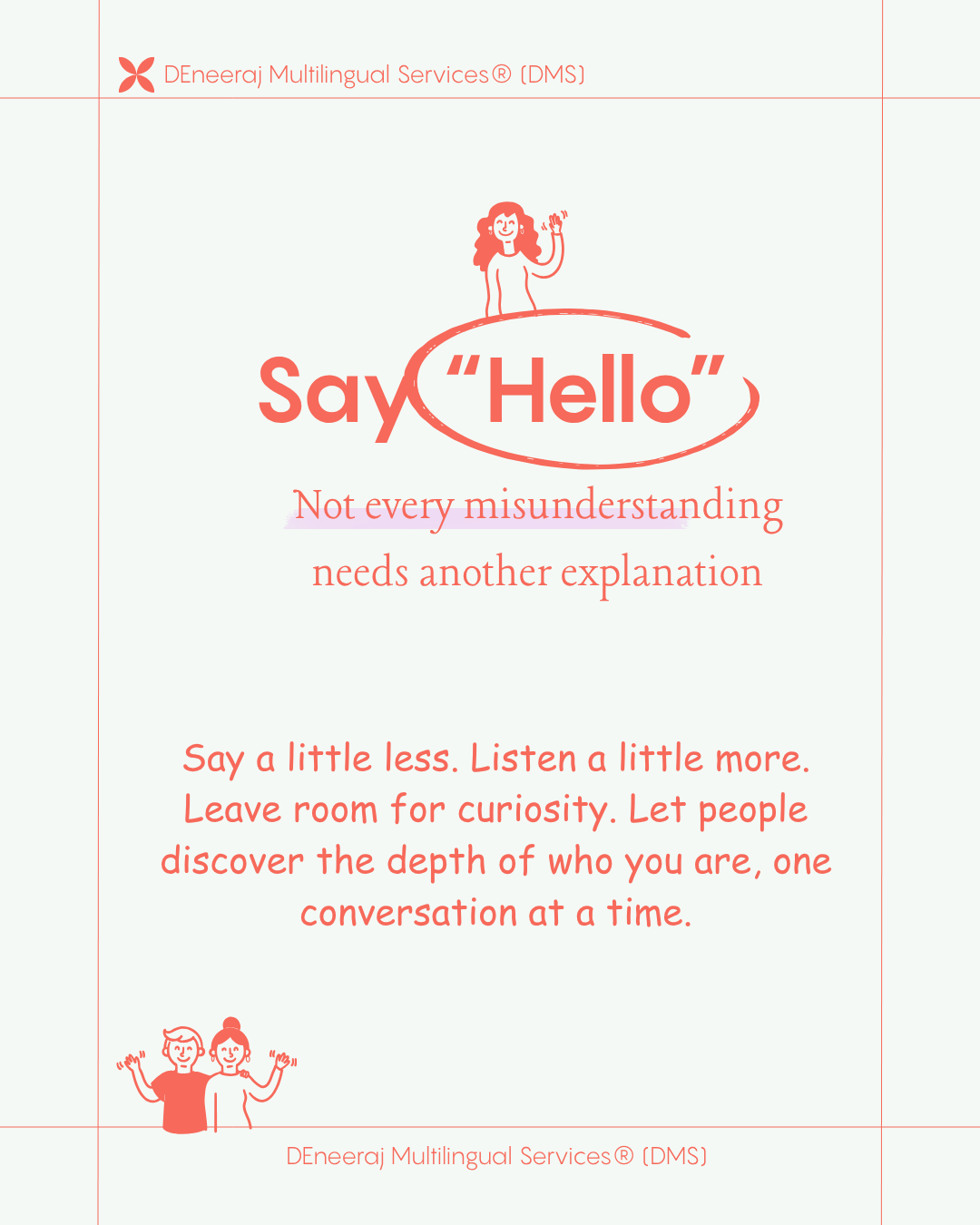
Not every misunderstanding needs another explanation
Many communicators believe that every misunderstanding can be solved with additional explanation. Sometimes this is true. Often it is not. Different people bring different experiences, expectations, values, and communication styles into every conversation. Occasionally the difference is not caused by poor communication but simply by different perspectives. Recognizing this distinction reduces unnecessary explanations and encourages greater patience, empathy, and emotional intelligence.
Build relationships gradually
Trust develops over time. Strong relationships rarely emerge from a single conversation filled with information. They develop through consistent, meaningful interactions that allow people to know one another gradually. A practical communication framework is simple. Begin with light conversation that encourages curiosity. Gradually introduce personal stories and meaningful experiences. As trust develops, conversations naturally become deeper, more authentic, and more rewarding. This principle applies equally to relationship building, networking, client communication, business development, mentoring, coaching, and leadership communication.
Structure your communication around problems, insights, and solutions
One of the most effective communication frameworks begins with a problem that the audience recognizes. Once attention is established, introduce an insight that changes perspective. Then present a practical solution before inviting the audience to take the next step. This approach is especially valuable for business storytelling, marketing communication, corporate presentations, keynote speeches, communication coaching, leadership training, and public speaking because it keeps the audience engaged from beginning to end.
Listen more than you speak
Great communication begins with listening. Many conversations become stronger when we spend more time understanding than explaining. Listening demonstrates respect, builds trust, encourages openness, and allows us to respond thoughtfully rather than react automatically. A useful principle is to spend more time listening than speaking. When people feel heard, they become more willing to listen in return. This creates balanced conversations built on mutual understanding rather than competition for attention.
Leave space for curiosity
Silence is not the enemy of communication. Sometimes it is one of its greatest strengths. Allowing a pause after sharing an idea gives people time to think, respond, and engage naturally. Likewise, leaving certain details for future conversations creates anticipation rather than information overload. Effective communicators understand that meaningful relationships grow through discovery, not through immediate disclosure.
Replace explaining with inviting
Perhaps the most valuable communication shift anyone can make is replacing explanation with invitation. Rather than trying to prove a point, invite another perspective. Rather than assuming complete understanding, encourage discussion.
Instead of saying, “Let me explain,” consider asking, “What do you think?”
Instead of saying, “Here’s why,” try saying, “That’s an interesting perspective. Tell me more.”
Instead of saying, “I wanted you to understand,” consider saying, “I see it a little differently. I’d love to hear your thoughts.”
This simple change transforms conversations from debates into collaborations and creates an atmosphere of curiosity, openness, and mutual respect.
The DMS philosophy of communication
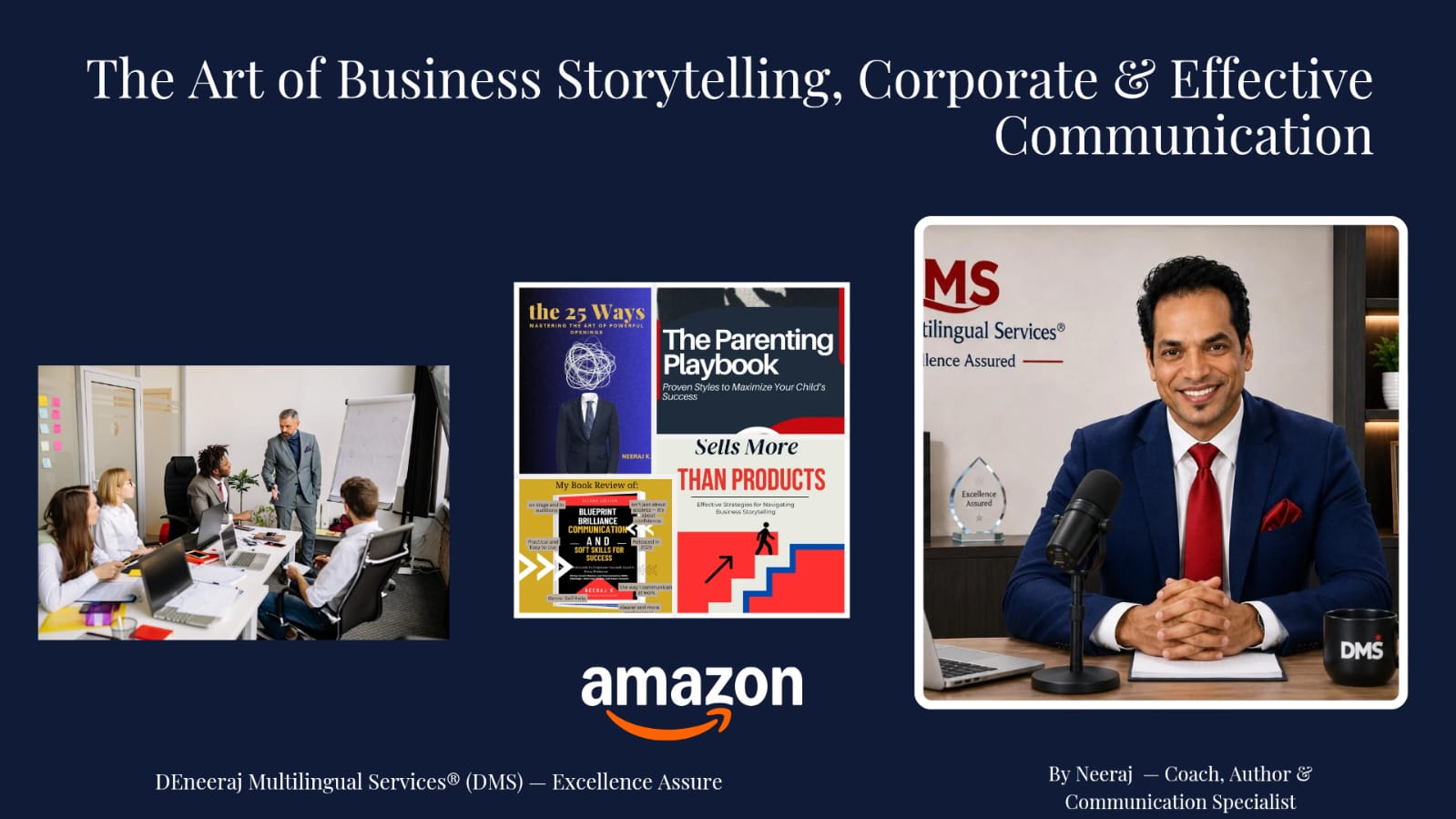
At DEneeraj Multilingual Services® (DMS), communication is viewed as a lifelong skill that combines clarity, confidence, storytelling, emotional intelligence, active listening, public speaking, presentation skills, leadership communication, business communication, voice development, and audience engagement. The objective is not simply to teach people how to speak better, but to help them build genuine human connections through thoughtful and authentic communication.
The strongest communicators are rarely those who say the most. They are the people who know when to speak, when to listen, when to pause, and when to invite others into the conversation. They understand that communication is not about winning discussions but about building understanding, trust, and meaningful relationships. When we replace the desire to explain everything with the willingness to explore together, conversations become more engaging, relationships become stronger, and communication becomes more natural, authentic, and impactful. Sometimes the most powerful communication strategy is surprisingly simple:
Say a little less. Listen a little more. Leave room for curiosity. Let people discover the depth of who you are, one conversation at a time.
Why Long-Term Courses are Essential for Effective Communication
Many individuals have benefited from our programs, seeing significant improvements in their communication, leadership, and overall effectiveness. Our clients consistently report feeling more confident and capable in their roles, which translates into tangible career growth and success. The effective communication skills and accent training are not just additional skills; they are essential keys to learning and mastering soft skills. Without clear communication, the benefits of teamwork, leadership, and other soft skills cannot be fully realized. Accent training further enhances this communication, ensuring that the message is not lost in translation. By investing in these areas, professionals can significantly enhance their ability to exhibit and leverage their soft skills, leading to greater success in their careers and personal development.
Overcoming Communication Barriers I Strategies for Clearer Communication I Talk Like A Pro I Communication Skills Workshops I Confidence
All our soft skills courses and training programs are customized. By tailoring each course to your participants, you will find that your results will increase a thousand-fold. Our dedicated team uses examples, case studies, anecdotes, and stories that are relevant to the group. We screen, Identify, and evaluate whether all participants are strangers or whether they work together. We tailor our approach accordingly. We know that different people have different learning styles so we use different types of activities to address it. Our experiential Training courses and programs are about creating awareness and helping you to communicate through effective body language. We must recognize that Body Language is Language hence the very impressive tool to communicate; it simply means you can communicate more accurately when verbal and nonverbal communicational tools complement each other.
eLearning Development Company India I Foreign Language Online Courses I Learn the French language online I Learn the Spanish language online
Places are limited BOOK NOW to avoid disappointment.
Contact us now for a FREE consultation!
By DEneeraj Multi-lingual services® (DMS)
DMS Training by Neeraj: Speak | Inspire | Excel